Why Today’s Father’s Day Is Not What It Used To Be
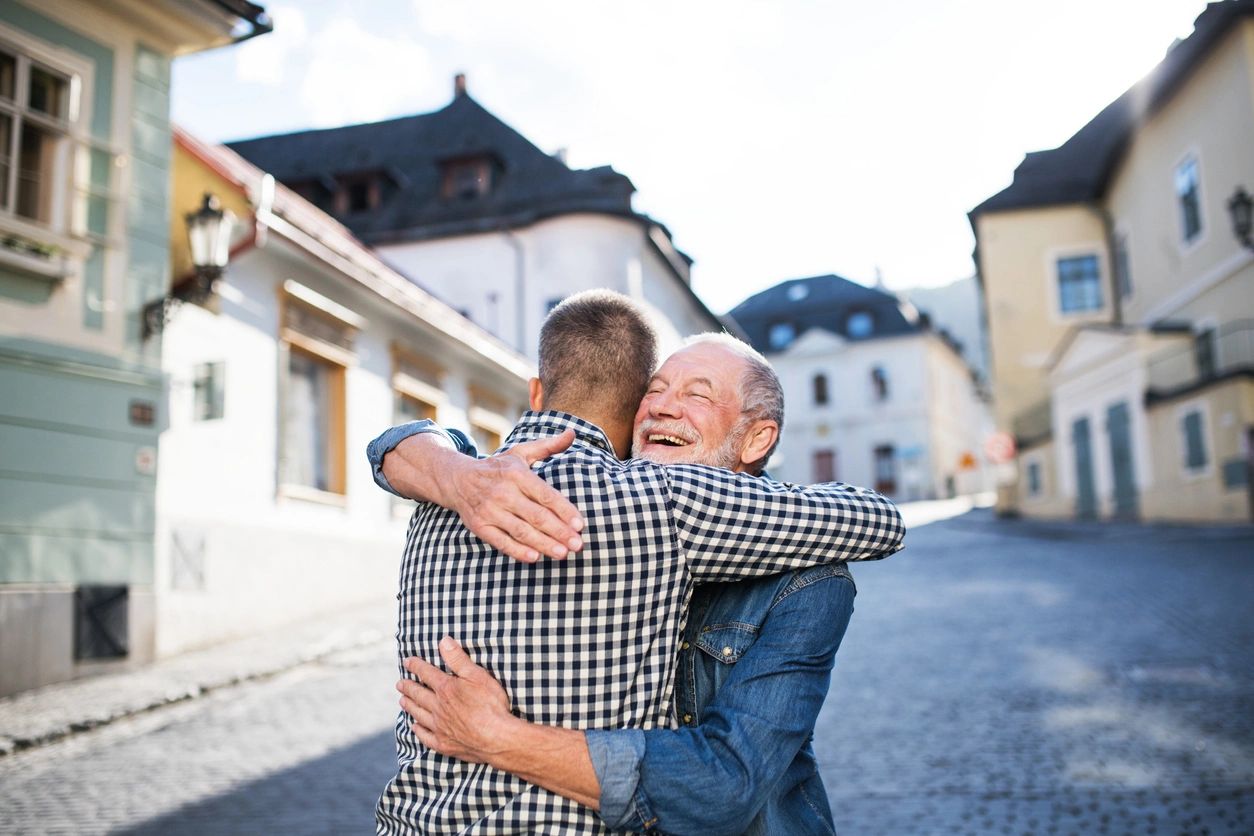
Father’s Day, once a modest tribute to paternal sacrifice and quiet strength, has morphed into something markedly different in the 21st century. What began as a heartfelt counterpoint to Mother’s Day—rooted in honoring providers, protectors, and moral anchors—now often feels like a commercial checklist or a social media performance. The old Father’s Day celebrated stoic dads who worked long hours, fixed what was broken, and taught resilience through example. Today’s version navigates fractured families, evolving gender roles, and digital-age expectations that can leave the holiday feeling hollow or performative.
Historically, Father’s Day emerged in the early 1900s amid industrial changes. Sonora Smart Dodd pushed for the holiday in 1910 to honor her father, a Civil War veteran who raised six children alone. Celebrations were simple: handmade cards, family dinners, perhaps a new tie or tool. Dads were seen as the family’s rock—breadwinners whose authority was rarely questioned. They embodied duty, discipline, and dependability. Sons learned trades or sports from them; daughters felt protected. The day reinforced traditional nuclear family ideals where fatherhood meant provision and presence without constant emotional articulation.
Modern Father’s Day looks very different. Family structures have shifted dramatically. Divorce rates, single parenting, blended families, and delayed marriage mean many children grow up with part-time or non-residential dads. According to demographic trends, a significant portion of kids experience multiple father figures or none at all. The holiday now includes stepdads, adoptive fathers, grandfathers, and “bonus dads,” which broadens its meaning but dilutes its singular focus. Celebrations often involve custody schedules, Zoom calls, or awkward negotiations rather than unified family rituals.
Parenting itself has transformed. Old-school fathers maintained emotional distance; love was shown through hard work and tough lessons. Today’s dads are expected to be emotionally available, actively engaged in childcare, and fluent in “gentle parenting.” They attend therapy, post Instagram reels of diaper changes, and track every milestone on apps. While this involvement is often positive—studies show engaged fathers improve child outcomes in education and mental health—it introduces new pressures. Modern dads juggle careers with school drop-offs, coaching, and endless screen-time battles in ways previous generations rarely faced. The “perfect dad” archetype now competes with influencer ideals, creating guilt when reality falls short.
Commercialization has intensified too. Retailers push high-end gadgets, personalized whiskey glasses, or experiential gifts like skydiving packages. Greeting card aisles overflow with sentimental puns, while social media floods feeds with curated tributes. Hashtags like #BestDadEver turn private gratitude into public competition. In contrast, older generations marked the day with quiet respect—perhaps a church service or backyard barbecue—without the expectation of viral validation.
Technology further separates the eras. Pre-internet dads bonded over physical activities: camping, car repairs, or ball games. Today’s connections often happen via texts, Fortnite sessions, or shared memes. While this keeps distant families linked, it can lack the depth of face-to-face mentorship. Work-from-home and gig economy shifts blur boundaries, making fathers perpetually “on” rather than the dependable but somewhat distant figure of yesteryear.
Despite these changes, the core need remains: children crave stable male role models. Today’s Father’s Day highlights progress—more expressive love, shared responsibilities—but also losses: simpler traditions, clearer roles, and less fragmented time. As society evolves, reclaiming elements of the old holiday—uncomplicated gratitude for sacrifice and strength—could enrich the new one. Dads deserve more than likes and gift cards; they need meaningful presence, whether in boardrooms, ballfields, or living rooms.